
Sir Paul McCartney aims to reclaim his rights to popular Beatles songs in a complaint filed yesterday. The complaint seeks a declaratory judgment that his copyright termination notices are valid ahead of the 2018 expiration of the Copyright Act’s term for pre-1978 copyrights – 56 years after McCartney and John Lennon began composing together in
New York Court of Appeals Answers Question First Raised by Judge McMahon: No Common Law Right of Public Performance For Pre-1972 Sound Recordings
Today, the New York Court of Appeals, in response to a question certified from the Second Circuit (after being certified for interlocutory review by Judge McMahon), held that New York common-law copyright law does not recognize a right of public performance for creators of sound recordings predating the 1972 federal Copyright Act. The question was certified as part of a putative class action of artists of pre-1972 sound recordings (led by The Turtles, who wrote “Happy Together”) seeking royalties from Sirius XM Radio for allegedly playing recordings without permission.
Continue Reading New York Court of Appeals Answers Question First Raised by Judge McMahon: No Common Law Right of Public Performance For Pre-1972 Sound Recordings
Challenge to “We Shall Overcome” Copyright Survives Motion to Dismiss
In an opinion yesterday, Judge Cote granted in part and denied in part a motion to dismiss a case challenging the copyright to “We Shall Overcome,” the unofficial anthem of the U.S. civil rights movement. (See our prior post on the case here.)
The defendant copyright owners argued that the copyrighted song was sufficiently different from songs in the public domain to merit copyright protection as a matter of law, but Judge Cote found that the question was not so clear that it could be resolved on a motion to dismiss. She also found that there fact questions as to whether the original copyright was obtained by fraud:
Continue Reading Challenge to “We Shall Overcome” Copyright Survives Motion to Dismiss
Judge Carter Grants Jay-Z Summary Judgment in Suit Over Record Label Logo
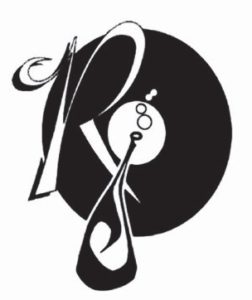
In a opinion yesterday, Judge Carter dismissed claims by a plaintiff alleging that he created the logo for Jay-Z’s record label Roc-A-Fella, and is owed money under a contract and under the copyright laws. The logo is depicted below:
 Continue Reading Judge Carter Grants Jay-Z Summary Judgment in Suit Over Record Label Logo
Judge Rakoff, with Nod to Taylor Swift, Dismisses Copyright Claims Against Beyoncé’s “Lemonade”
Yesterday, Judge Rakoff dismissed claims that Beyoncé’s “Lemonade” infringed on the short film “Palinoia” through similarities in images, audio, and “total concept and feel.” According to the plaintiff, elements such as a character with his or her head down near a wall with graffiti (elements that appear in scenes from both films, though with many other differences between the shots) are are protectable under the copyright laws.
Judge Rakoff disagreed, and found that the elements of “Palinoia” allegedly infringed upon were unprotectable ideas:
Continue Reading Judge Rakoff, with Nod to Taylor Swift, Dismisses Copyright Claims Against Beyoncé’s “Lemonade”
Judge Castel Dismisses RICO Claims in Case Over Alibaba Selling Counterfeit Goods
Today, Judge Castel dismissed RICO claims brought against Alibaba Group Holding by a group of luxury goods makers including Gucci and Yves Saint Laurent. The complaint accused Alibaba of providing services and a market platform to merchants that Alibaba should have known were selling counterfeit goods.
Judge Castel specifically considered the plaintiffs’ claims that Alibaba’s online marketplace and the merchants that used it constituted a criminal enterprise under RICO. Judge Castel rejected this argument, holding that lack the coordination necessary to create a RICO enterprise:
Continue Reading Judge Castel Dismisses RICO Claims in Case Over Alibaba Selling Counterfeit Goods
Judge Swain Dismisses Infringement Claims Concerning Video Game Featuring LeBron and Kobe’s Tattoos
Yesterday, Judge Swain dismissed claims by Solid Oak Sketches, LLC alleging that Take-Two Interactive Software and other defendants infringed Solid Oak’s copyrights by prominently featuring eight tattoos of five NBA players (including LeBron James and Kobe Bryant) in Take-Two’s popular NBA 2K16 video game (see previous coverage here).
Judge Swain held that the plaintiffs could not recover under the Copyright Act because the first infringement occurred before the marks were registered: the tattoos were registered in 2015, and the alleged infringement first occurred when NBA 2k14 was released in 2013. The parties also disputed whether the series of “2K” video games were a single work or separate works, and Judge Swain held that they were a single work:
Continue Reading Judge Swain Dismisses Infringement Claims Concerning Video Game Featuring LeBron and Kobe’s Tattoos
Judge Failla Rejects “Fair Use” Defense for Gossip Website’s Screen Grabbing of Photos
In an opinion Wednesday, Judge Failla found that the website Gossip Cop was liable for posting screen grabs of copyrighted photos from other websites, and rejected Gossip Cop’s argument that doing so was “fair use.” Gossip Cop’s fair use argument was premised on the fact that it commented on whether the underlying news stories associated
New York Court of Appeals Will Hear Copyright Issue Judge McMahon Originally Certified for Interlocutory Appeal
The New York Court of Appeals has accepted a certified question from the Second Circuit regarding whether New York copyright holders for pre-1972 recordings (governed by state copyright law, and not the federal Copyright Act) have a right to exclusive public performance of those recordings. The case, initially before Judge McMahon, arose after Sirius XM
Class Action Suit Challenges Copyright for “We Shall Overcome”
Last week, the We Shall Overcome Foundation filed a complaint on behalf of a purported class challenging the copyright of “We Shall Overcome,” the unofficial anthem of the U.S. civil rights movement. The We Shall Overcome Foundation attempted to use the song in a documentary film, and the defendant copyright holders denied the request. The